
Expert Tips for Selecting the Right Stone Countertop for Your Climate


Understanding Your Climate
Choosing the right stone countertop for your kitchen or bathroom involves more than just aesthetics. It's crucial to consider your local climate, as different stones react differently to temperature and humidity changes. Understanding how climate affects stone can help you make a more informed decision and ensure the longevity and beauty of your countertop.

Granite: A Versatile Choice
Granite is a popular choice due to its durability and resistance to scratches and heat. However, in areas with high humidity, it’s essential to seal granite properly as it is slightly porous. This prevents moisture absorption, which can lead to staining or mold growth. Granite performs well in both hot and cold climates, making it a versatile option.
In colder climates, granite’s natural resilience to temperature changes makes it an ideal choice. It can withstand the freeze-thaw cycles common in such environments, ensuring that your countertop remains crack-free.
Marble: Elegant but Sensitive
Marble exudes elegance and luxury, but it requires careful consideration in certain climates. In humid regions, marble can be more prone to etching and staining due to its porous nature. Regular sealing and maintenance are crucial to keeping marble looking its best.
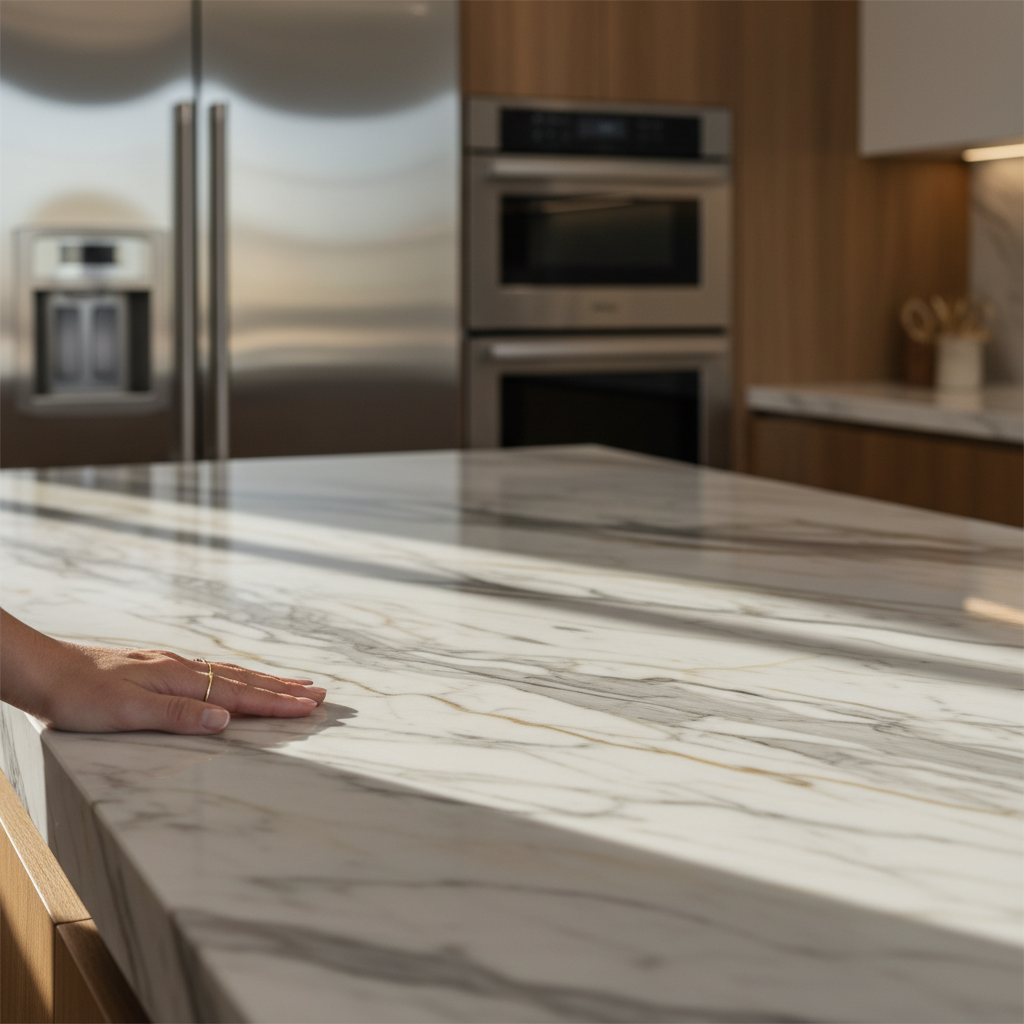
In areas with significant temperature fluctuations, the expansion and contraction can potentially cause cracks or fissures in the marble. If you live in such a climate, you might want to consider alternatives or ensure extra precautions are taken during installation.
Quartz: Consistency and Low Maintenance
Quartz countertops are engineered to be non-porous, making them an excellent choice for humid climates as they resist mold and mildew. Quartz offers consistency in color and pattern, which can be beneficial if you’re looking for a uniform look throughout your space.
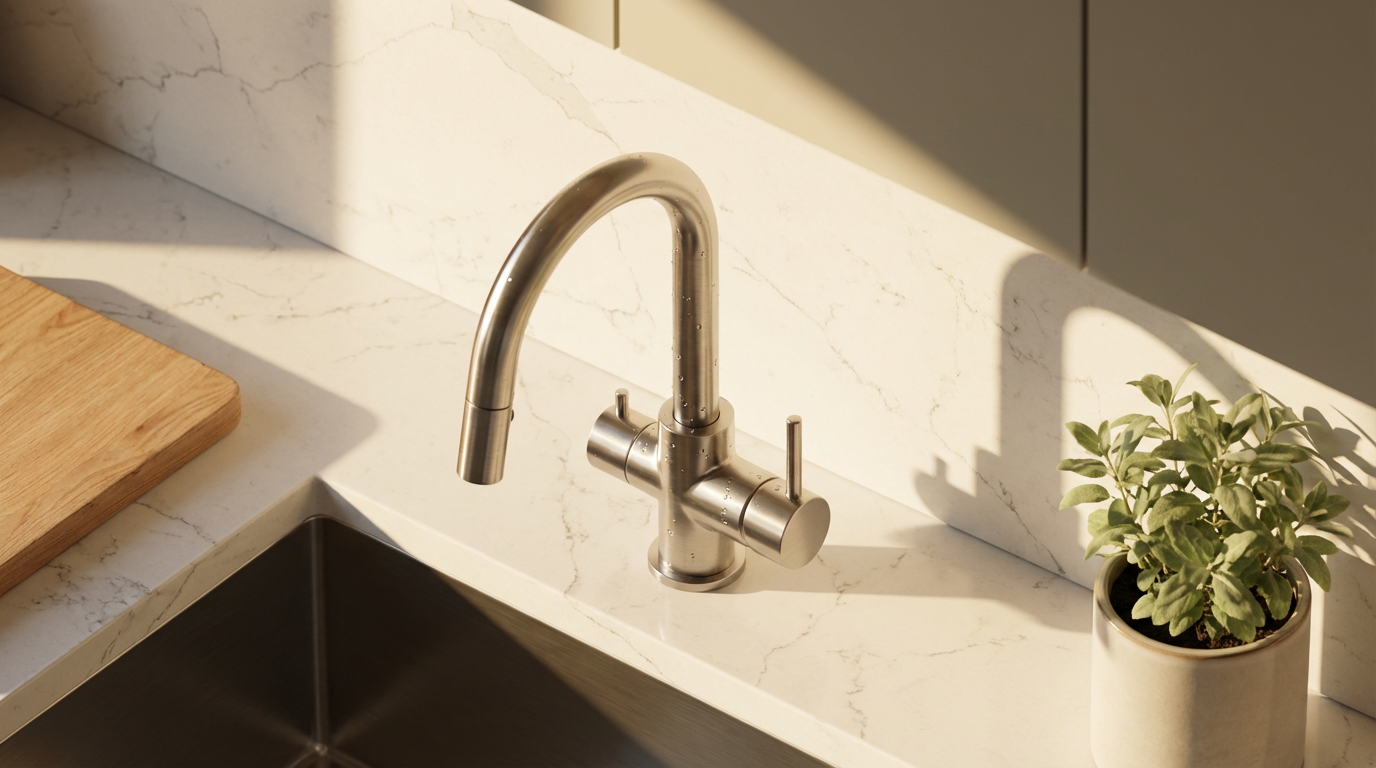
Another advantage of quartz is its resistance to temperature changes. Unlike natural stones, quartz doesn’t require sealing, and its durability makes it suitable for both hot and cold climates.
Soapstone: Rustic and Resilient
Soapstone is known for its rustic charm and heat resistance. It is non-porous, which makes it a great option for humid areas. Its ability to withstand high temperatures without damage also makes it ideal for kitchens where cooking is frequent.
However, soapstone is softer than other stones, which can lead to scratches and dents. These can often be sanded out, but it’s something to consider if you prefer a pristine look.
Final Thoughts
When selecting a stone countertop, weigh the climate considerations alongside your aesthetic preferences and lifestyle needs. By choosing the right stone for your climate, you can enjoy both beauty and functionality for years to come.